
Hurricane Polo Threatens Mexico as Nolo Nears Hawaii

Southwestern Mexico is bracing for heavy rain and life-threatening mudslides as Hurricane Polo churns off the Pacific coast, while forecasters simultaneously warn of another system, Nolo, closing in on Hawaii. The dual storm threats have put coastal communities and island residents on high alert.
According to NPR, Hurricane Polo has fueled widespread fears of devastating landslides in vulnerable Mexican beach towns. Meanwhile, the second storm system, Nolo, is projected to bring catastrophic flooding to Hawaii later in the week.
Watch: video summary
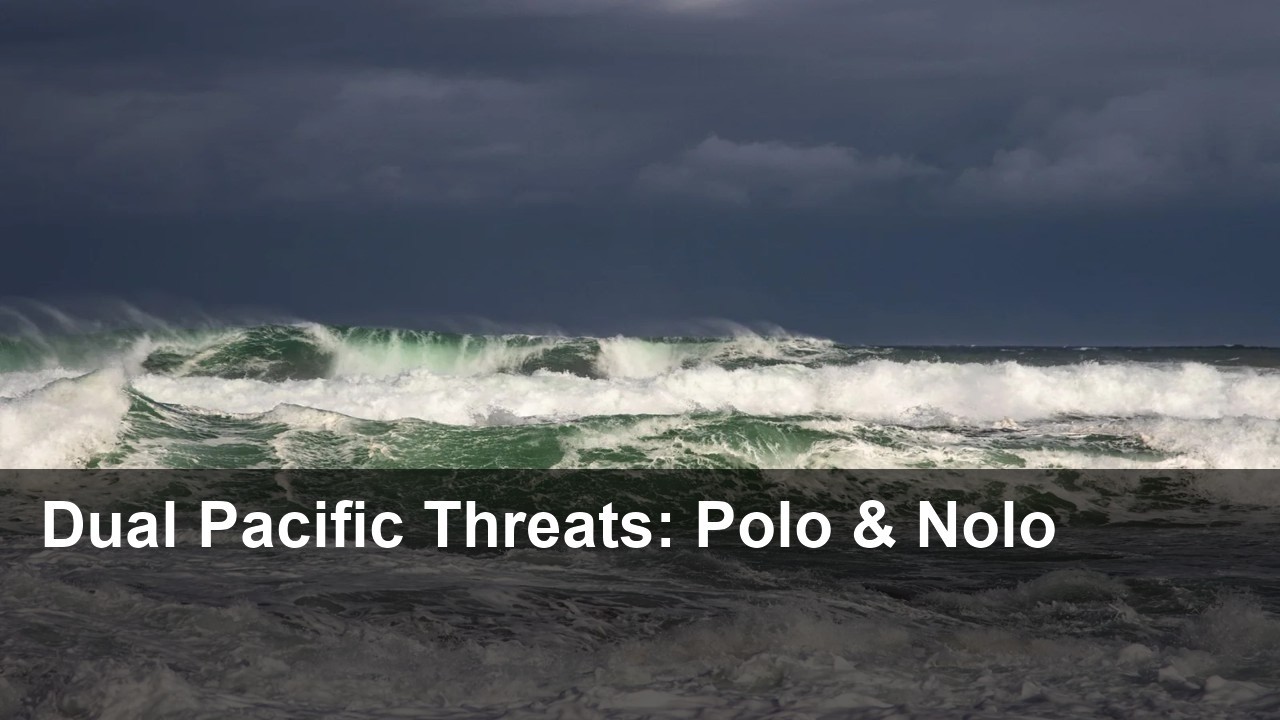
How Hurricane Polo Reached Category 5 Intensity
CNN reports that Hurricane Polo rapidly intensified into a rare Category 5 storm, drawing immense energy from unusually warm El Niño waters. Although the storm has since weakened slightly, it remains a highly dangerous major hurricane.
The extreme heat of the Pacific waters provided the perfect fuel for Polo's rapid development. Meteorologists note that while the storm's peak winds have decreased somewhat, its proximity to land still poses a severe hazard to coastal regions.
Mexico Beach Towns Brace for Landslides and Flooding
Coastal communities in southwestern Mexico are preparing for the worst as the major hurricane passes nearby. Reuters reports that local beach towns are actively bracing for the incoming storms, with residents and authorities securing properties against high winds and heavy surf.
The primary concern for southwestern Mexico is the threat of torrential rainfall. Unnamed meteorological sources warn that the heavy downpours could easily saturate mountainous terrain, triggering catastrophic mudslides and landslides in vulnerable areas.
Will Hurricane Polo Remnants Impact the United States?
Beyond the immediate threats to Mexico, meteorologists are looking at the long-term path of the storm's remnants. WUSA9 reports that forecasters are analyzing whether the moisture from Hurricane Polo could eventually travel northward and elevate the flood risk in parts of the United States.
While the exact trajectory of the storm's remnants remains uncertain, the potential for tropical moisture to interact with weather systems further north is a growing concern for US weather officials. PBS has also made live tracking maps available to help residents monitor the hurricane's path in real time.
Storm Nolo Threatens Hawaii With Catastrophic Floods
As Mexico monitors Polo, Hawaii faces its own severe weather threat from a separate system. According to NPR, the storm system named Nolo is currently closing in on the Hawaiian islands.
Forecasters warned that Nolo could cause catastrophic flooding across the island chain later in the week. Emergency management officials are urging residents to prepare for extreme rainfall and potential flash floods as the system approaches.
Frequently asked questions
Did Hurricane Polo reach Category 5 status?
Yes, according to CNN, Hurricane Polo feasted on warm El Niño waters to become a rare Category 5 storm before weakening slightly.
What is the main threat to southwestern Mexico?
The primary threats are torrential rains, storm surges, and dangerous mudslides or landslides in coastal and mountainous areas, as reported by Reuters and NPR.
Monitoring the Dual Pacific Threats
The simultaneous threats of Hurricane Polo in the East Pacific and Nolo near Hawaii highlight an active and dangerous tropical weather pattern. Emergency services in both Mexico and Hawaii are advising residents to monitor local updates closely as these systems progress through the week. The potential for Polo's remnants to influence US weather patterns also remains a key point of observation for meteorologists in the coming days.
Sources and further reading
This report is based on coverage by the outlets below. Follow the links for the original reporting.
This article was written with AI assistance from the published reports above and passed automated accuracy, originality and safety checks. Photos are illustrative. Spot a mistake? Report a correction · How we work.