
Bat family tree rewritten as study traces origins to Europe

An unprecedented analysis combining bat genomes and ancient fossils has fundamentally reshaped the evolutionary history of flying mammals. According to research reports, the comprehensive study suggests that the earliest ancestors of modern bats first emerged in Europe approximately 65 million years ago.
The findings also demonstrate that critical survival mechanisms, such as echolocation, developed far earlier in the evolutionary timeline of bats than previously understood. Recognized as the largest investigation of its kind, the project provides new clarity on how these mammals diversified across global ecosystems over tens of millions of years.
Watch: video summary
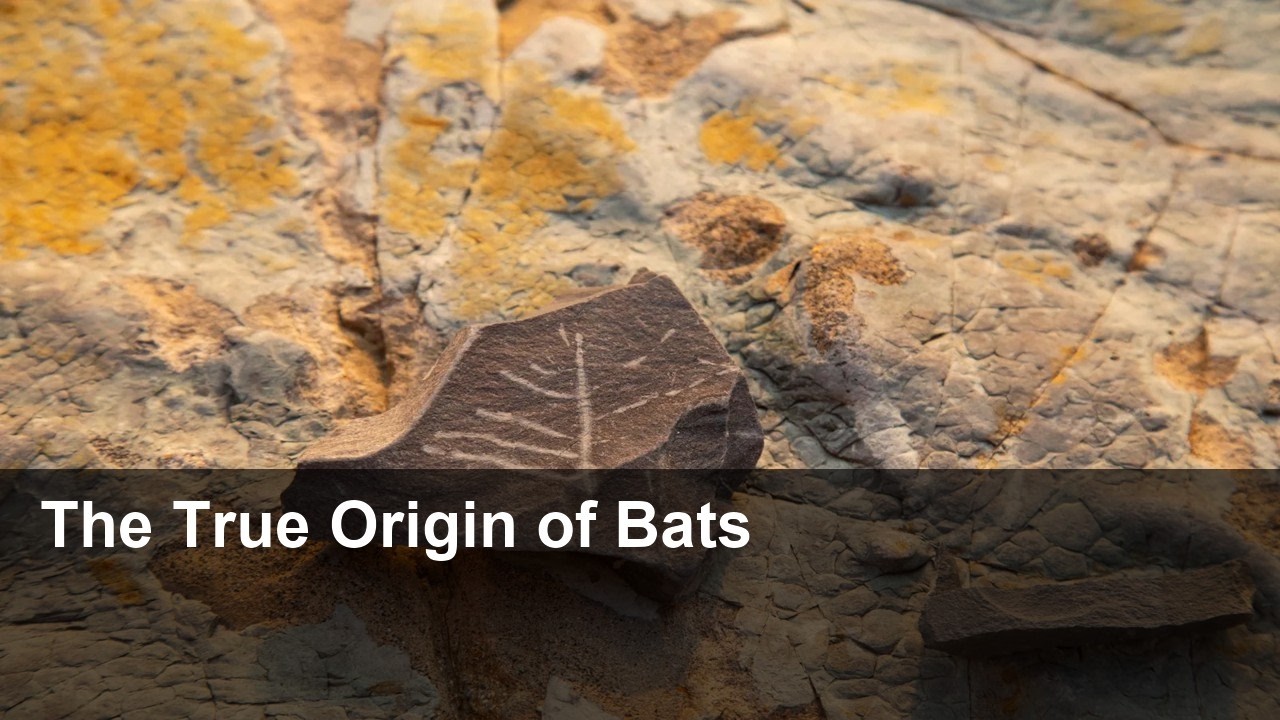
New Discoveries Rewriting the Bat Family Tree
To construct an updated evolutionary lineage, researchers examined an extensive dataset pairing genetic sequences with physical fossil evidence. The resulting family tree challenges long-held assumptions regarding the geographical origins of flying mammals, firmly placing their earliest roots in Europe around 65 million years ago.
The dataset reveals that echolocation—a sophisticated biological sonar system used for navigating and hunting in complete darkness—was not a late adaptation. Instead, the analysis indicates that echolocation evolved early in bat history, serving as a primary driver for the diversification of bats across varied environments worldwide.
By uniting fossil records with large-scale genomic sequencing, the study establishes a clearer structural timeline of how distinct bat species split from common ancestors. This updated framework gives evolutionary biologists a far more accurate baseline for studying mammalian adaptation.
Fieldwork in the Congo and Global Sample Collection
Assembling such an expansive genetic dataset required years of painstaking field research across remote global habitats. A critical site for this data collection was the northern forests of Congo-Brazzaville, where field teams conducted nightly sampling operations along the banks of the Congo River.
Working deep into the night in spacesuit-like protective gear, researchers gathered DNA swabs and tissue samples from local populations. Among the species studied was the hammer-headed fruit bat, easily identified by its distinctive, box-shaped snout that gives the flying mammal the physical appearance of a winged moose.
Every evening as the sun sets, thousands of these hammer-headed fruit bats leave their daytime roosts in search of mates, filling the dusky sky with a unique honking call. The biological samples harvested from these African bats were pooled alongside thousands of other specimens collected globally, forming the backbone of the historic study.
Why Bat Evolution Matters for Human Medicine
Uncovering the detailed evolutionary path of bats carries major implications that extend well beyond academic taxonomy. According to published reports, the study's genetic insights are being highlighted as a potential gamechanger for human medical research.
Bats possess exceptional biological systems that allow them to harbor pathogens without suffering severe disease, alongside unique physiological traits related to cellular health. Mapping their precise evolutionary tree allows scientists to better track when and how these specialized protective adaptations developed.
Medical researchers anticipate that the findings could aid ongoing investigations into human health treatments. Specifically, the genetic pathways mapped out in the updated family tree may offer fresh clues for developing novel therapies against cancer and complex viral infections.
Frequently asked questions
Where did the first bats originate according to the genetic analysis?
According to reports on the study, the largest analysis of bat fossils and genomes indicates that the earliest bats emerged in Europe roughly 65 million years ago.
How could this evolutionary study benefit human health research?
By providing an accurate map of bat genomic evolution, the study provides insights that researchers believe could serve as a gamechanger for developing human treatments for cancer and viruses.
Looking Ahead in Evolutionary and Medical Science
As scientists continue to analyze the vast dataset compiled from global bat populations, the revised family tree will serve as a foundational map for both evolutionary biology and comparative medicine. Researchers are expected to further explore the specific genetic markers that allowed bats to evolve early echolocation and survive major ecological shifts over 65 million years.
In human medicine, the detailed genomic baseline offers a new blueprint for studying disease resistance. Future medical studies building on these field samples from Congo-Brazzaville and around the world may uncover specific genetic mechanisms that could eventually lead to advancements in oncology and antiviral therapies.
Sources and further reading
This report is based on coverage by the outlets below. Follow the links for the original reporting.
This article was written with AI assistance from the published reports above and passed automated accuracy, originality and safety checks. Photos are illustrative. Spot a mistake? Report a correction · How we work.